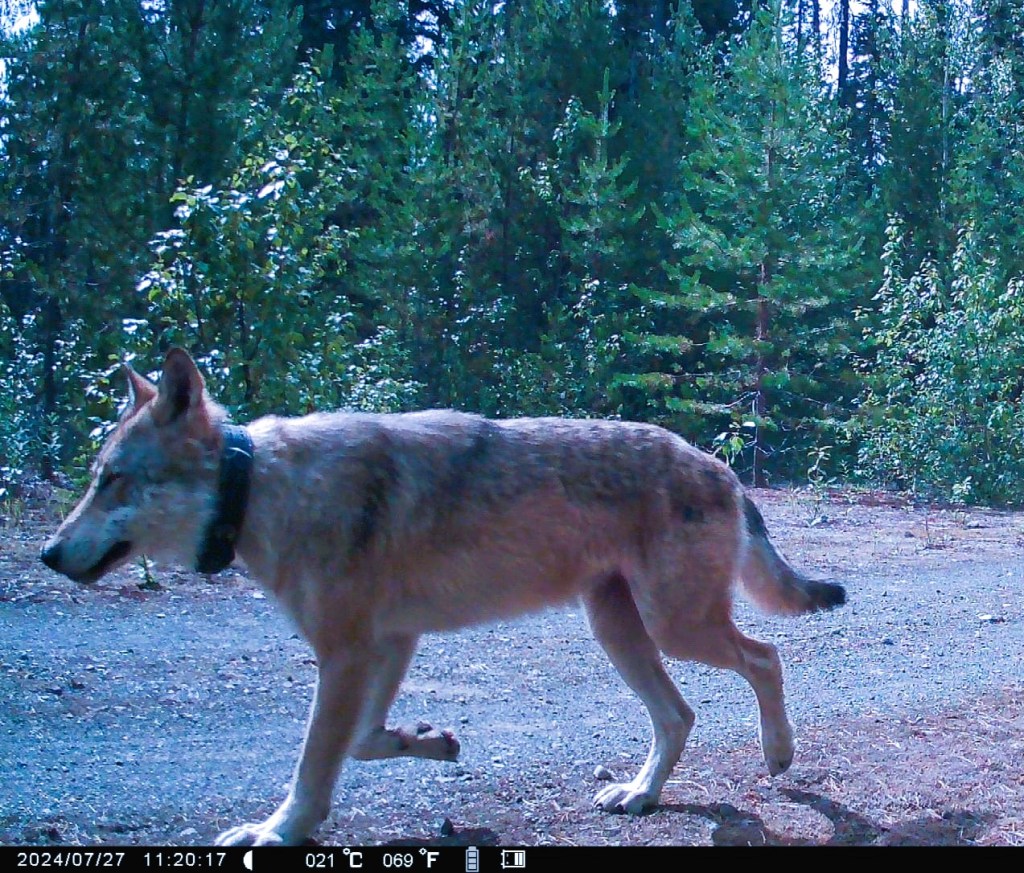
Encounter with Mahlasxwit: A Sombre Reminder of the BC Wolf Cull Program
On our latest field excursion for the Wilps ‘Wii K’aax Territorial Stewardship Initiative we set out to gather data on the Lax’yip’s current status and conditions. However, our journey took an unexpected turn when our trail camera captured an image that brought our camp to a sombre and profound silence. Mahlasxwit, a wolf bearing the evidence of a radio collar, appeared before us—a ‘Judas’ wolf, a term used for wolves that unknowingly lead their kin to their demise under the BC wolf cull program.
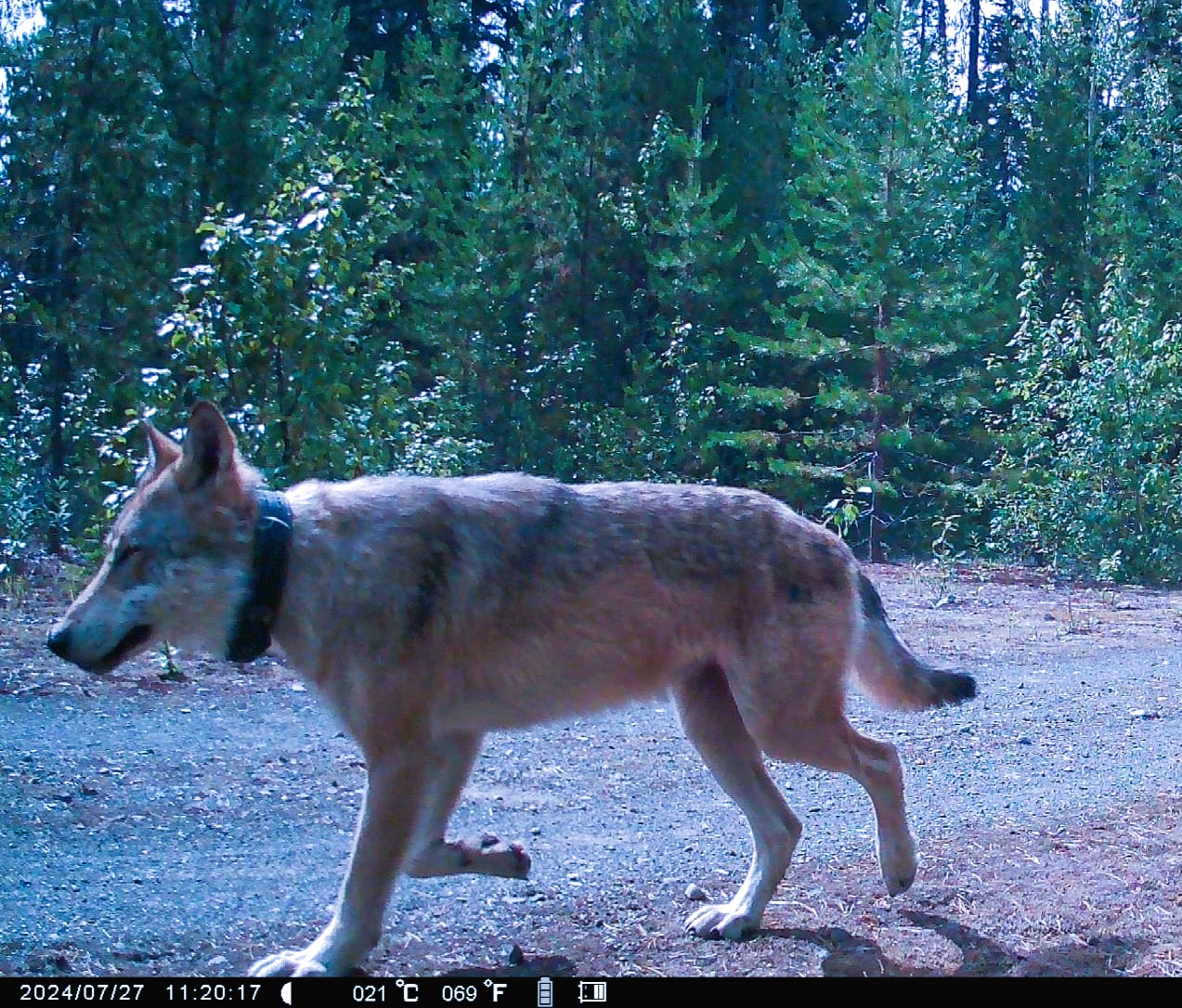
The BC wolf cull program has been a source of controversy and ethical debate. Implemented under the guise of protecting caribou populations, the program employs Judas wolves—wolves that are captured, fitted with radio collars, and then released back into the wild. These collared wolves are tracked, leading snipers in helicopters to their packs, resulting in mass killings.
“They’re hoping that the wolf at that point is with the rest of its family. If it has joined up with the rest of its family, the contractors will shoot down every single wolf in that area other than the one wolf that’s radio-collared. That’s usually identified with an ear tag so they can keep that wolf alive, and then that one wolf, it’s often called the ‘Judas Wolf’, would be left alive for the next year. Wolves are social animals. It’s going to try and regroup and start a new family only to have the very same thing happen to any wolf it befriends the next year.”
According to recent figures revealed by Pacific Wild, nearly 2,192 wolves have been killed in British Columbia over the past nine years. With the provincial wolf population estimated to be between 5,000 and 14,000, these killings raise serious concerns about the sustainability and morality of this practice. [Pacific Wild Press Release]

This method not only disrupts the social structure of wolf packs but also causes immense suffering to the wolves who are left to survive with the psychological trauma of such betrayals. The program’s impact extends beyond the wolves themselves—it disrupts entire ecosystems, as wolves play a crucial role in maintaining ecological balance.
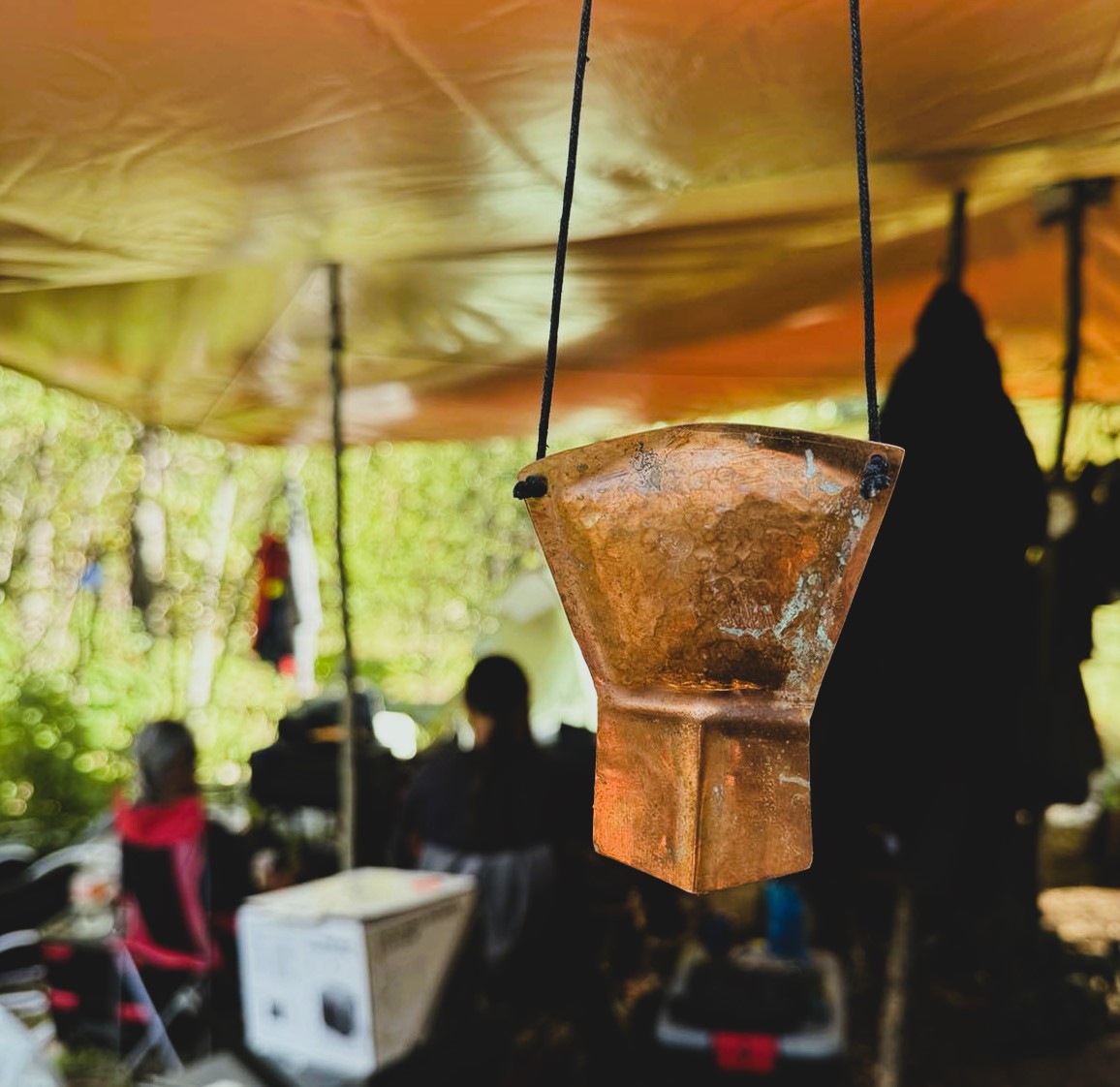
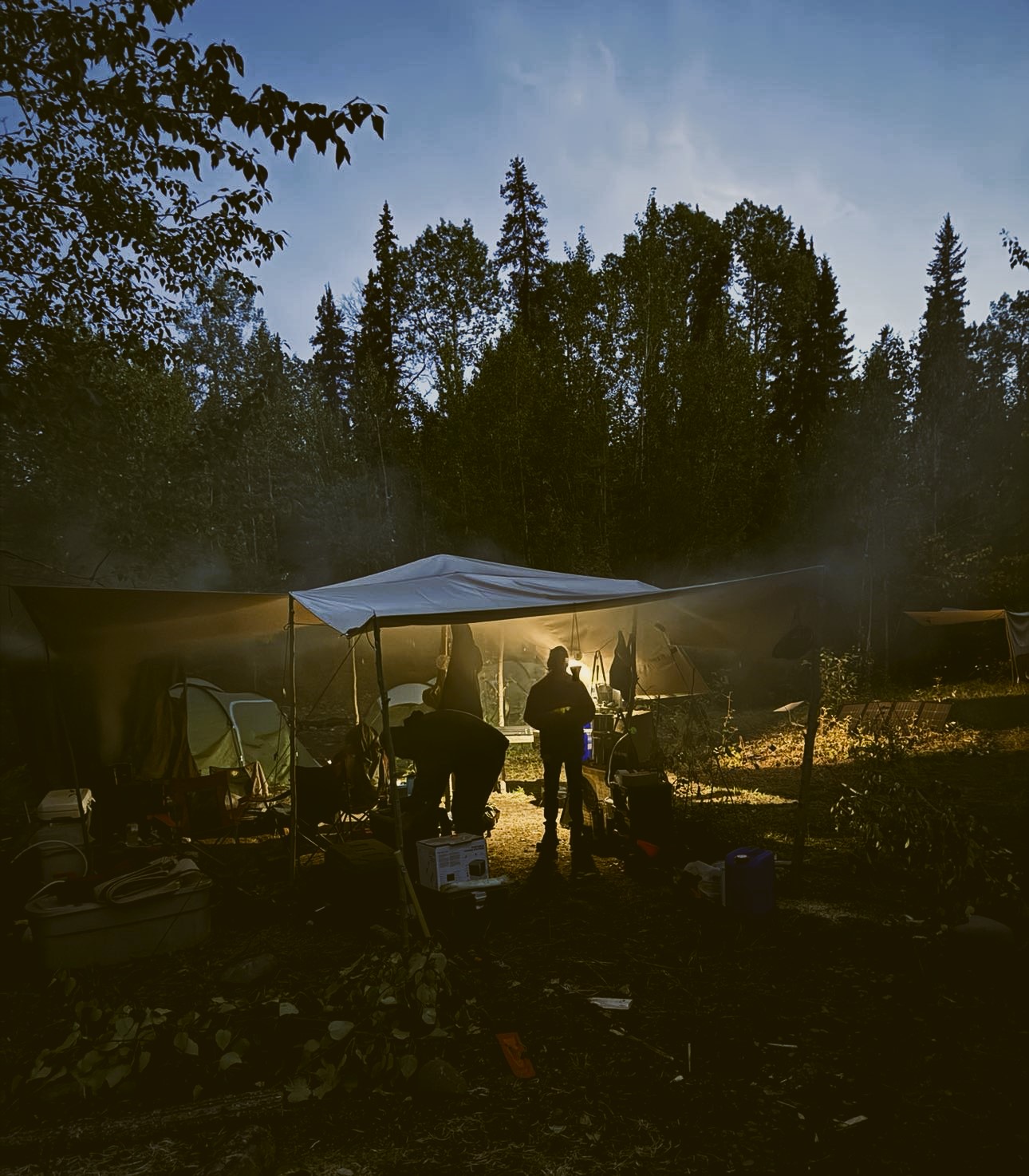
As we sat around the fire in camp, reflecting on the image of Mahlasxwit, we were reminded that this is not just an environmental issue; it is a deeply moral one. The betrayal of our brothers and sisters, the disruption of their families, and the broader ecological consequences all point to a practice that must be reconsidered.
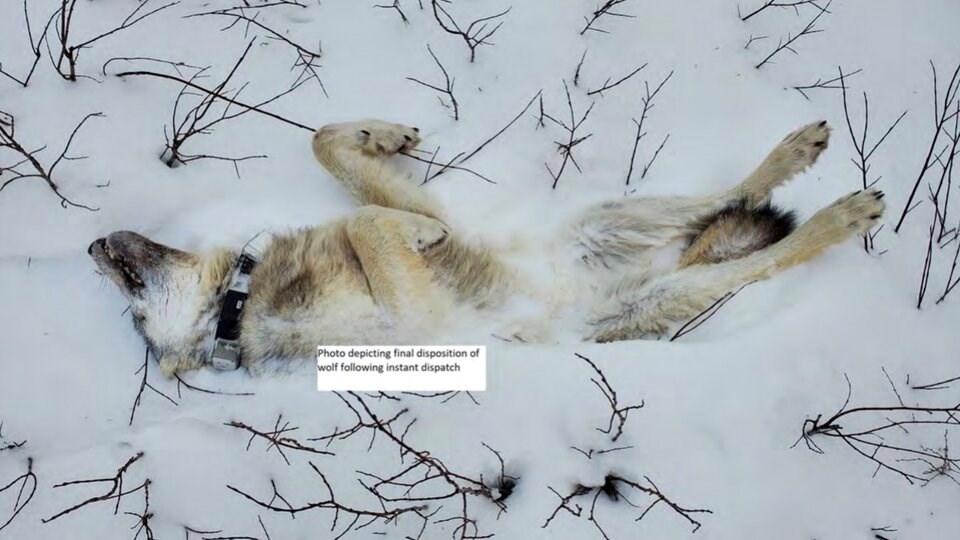
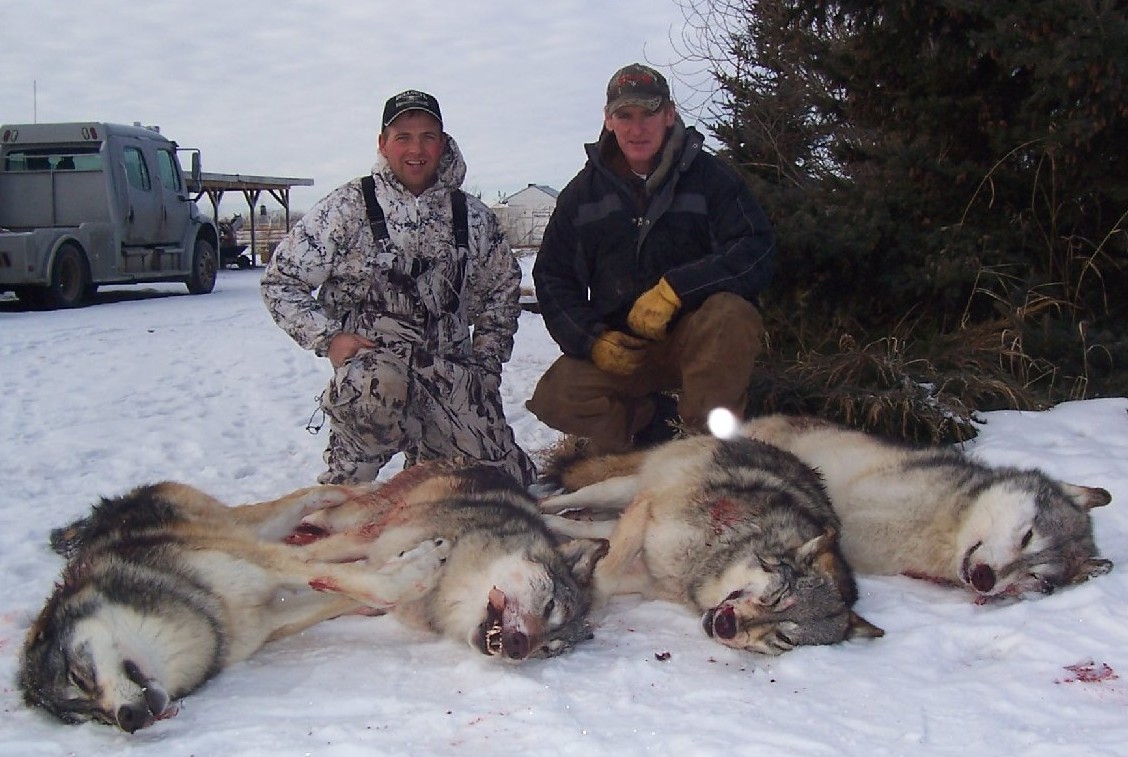
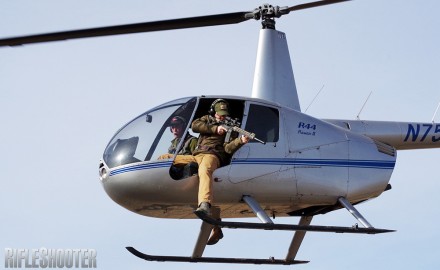
We join the Naada k’i’yhl Pdeeḵhl Gig̱eenix (Up River Allied Clans) and numerous conservation organizations in calling for an immediate stop to the BC wolf cull program. This cull violates our Ayookw and Indigenous principles of respect and reciprocity with nature. It is time to explore more humane and ecologically sound approaches to wildlife management—approaches that respect the intricate relationships and balance within ecosystems and honour the teachings of our Indigenous knowledge holders.
For further reading on the ethical implications of the wolf cull and its broader impact, visit these resources:
– Pacific Wild: Press Release on BC Wolf Cull (https://pacificwild.org/press-release-newly-released-figures-reveal-number-of-wolves-killed-in-b-c-approaches-entire-wolf-population-estimate/)
– Pacific Wild: Wolves in the News (https://pacificwild.org/in-the-news-wolves/)
– The Narwhal: The complicated tale… (https://thenarwhal.ca/the-complicated-tale-of-why-b-c-paid-2-million-to-shoot-wolves-in-endangered-caribou-habitat-this-winter/)
– Raincoast Conservation Foundation: The Judas Wolf Strategy (https://www.raincoast.org/wolf-science/)
– Naada k’i’yhl Pdeeḵhl Gig̱eenix Statement on the Wolf Cull

 Ant Lihlx Lax'yip --Guardians of the Land--